Lessons From Field: Utah Medical Examiner’s Office
Free Virtual Event! 1:00-2:00 p.m. CDT | November 18, 2026
Compassion in Action: Transforming Bereavement Support in the Medical Examiner’s Office
If you work in systems that respond to sudden death and want to see better family support, this is relevant to your work.
When someone dies under circumstances that trigger a medical examiner investigation, their family faces an immediate crisis. There are questions about what happened, what comes next, and where to turn for help.
The Family Assistance and Support Team (FAST), operated through the Utah Department of Health & Human Services Office of the Medical Examiner, provides proactive outreach, process clarity and direct resource connections to surviving next of kin following an office-investigated death.
The FAST reaches out to surviving next of kin within 48 hours of the death to provide logistical guidance and support. One or two months later there is a follow-up call to offer updates and link families to community resources.
What started as a pilot in 2025 officially launched in January 2026, and the results speak for themselves. Beyond delivering genuine, compassionate care to loss survivors, FAST has created unexpected operational wins: it has reduced administrative burden on front-desk staff, surfaced errors in case management earlier, and improved morgue storage capacity.
How is this staffed and funded? Utilizing a student workforce model, FAST engages bachelor and master social work interns through academic practicum partnerships, funded by the state’s initiative to expand the behavioral health workforce.

WHO SHOULD ATTEND
Coroners and medical examiners, behavioral health professionals, social workers, and fatality review coordinators should attend.
SPEAKER INFORMATION

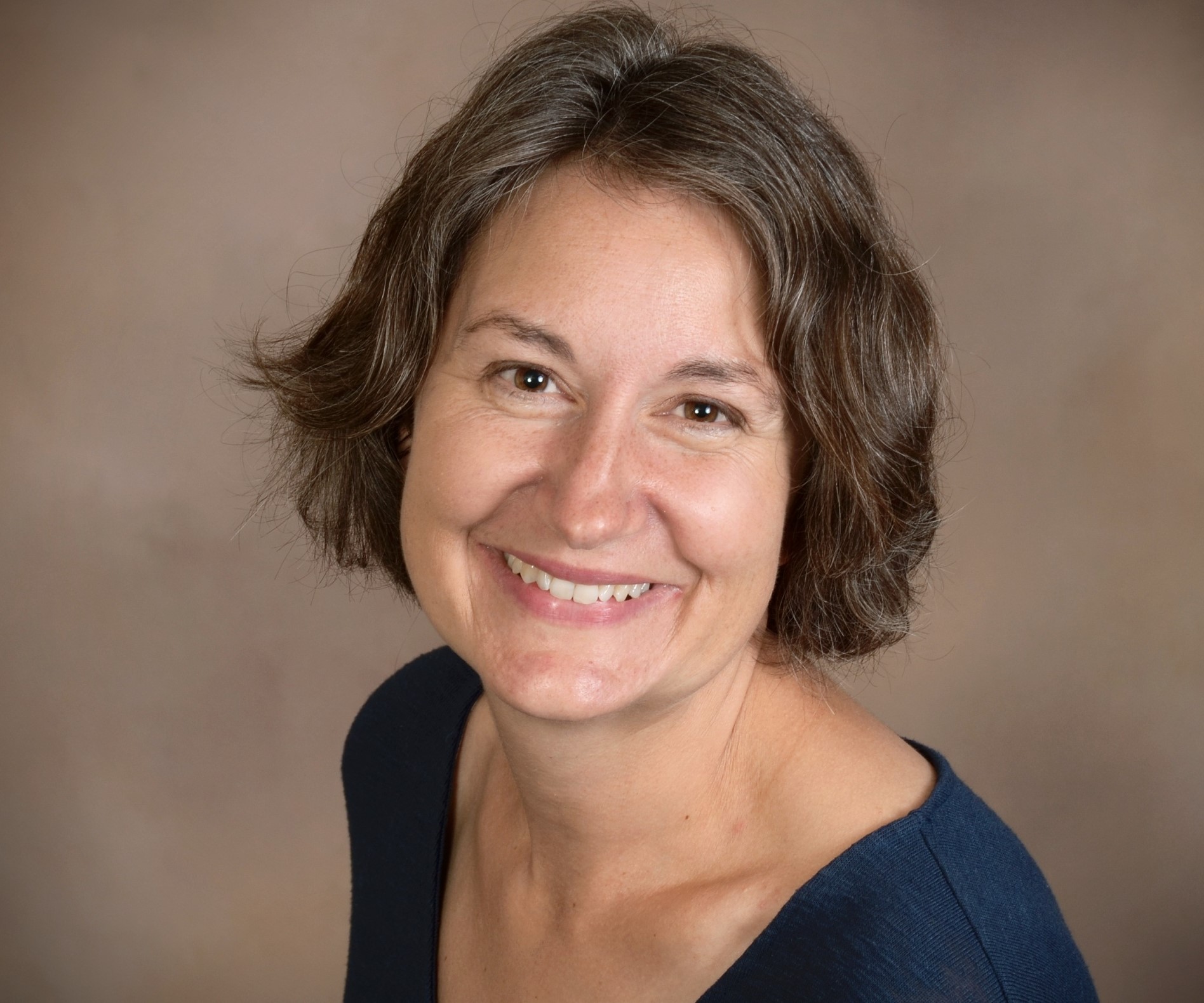
Megan Broekemeier, MPH, serves as an Epidemiology Manager for the Utah Office of the Medical Examiner (OME) within the Department of Health and Human Services. She specializes in fatal drug overdose surveillance and the development of specialized OME data systems. Megan’s work is uniquely person-centered; she leads interviews with drug overdose loss survivors to uncover events and circumstances that occurred before death to guide prevention efforts. Additionally, Megan developed and currently oversees a new family support program within the OME. Megan spends her time away from the office recreating with her family in the beautiful Utah mountains.
Learn more here: https://ome.utah.gov/


Comments