Building Collaborative, Action-Oriented Review Processes Training
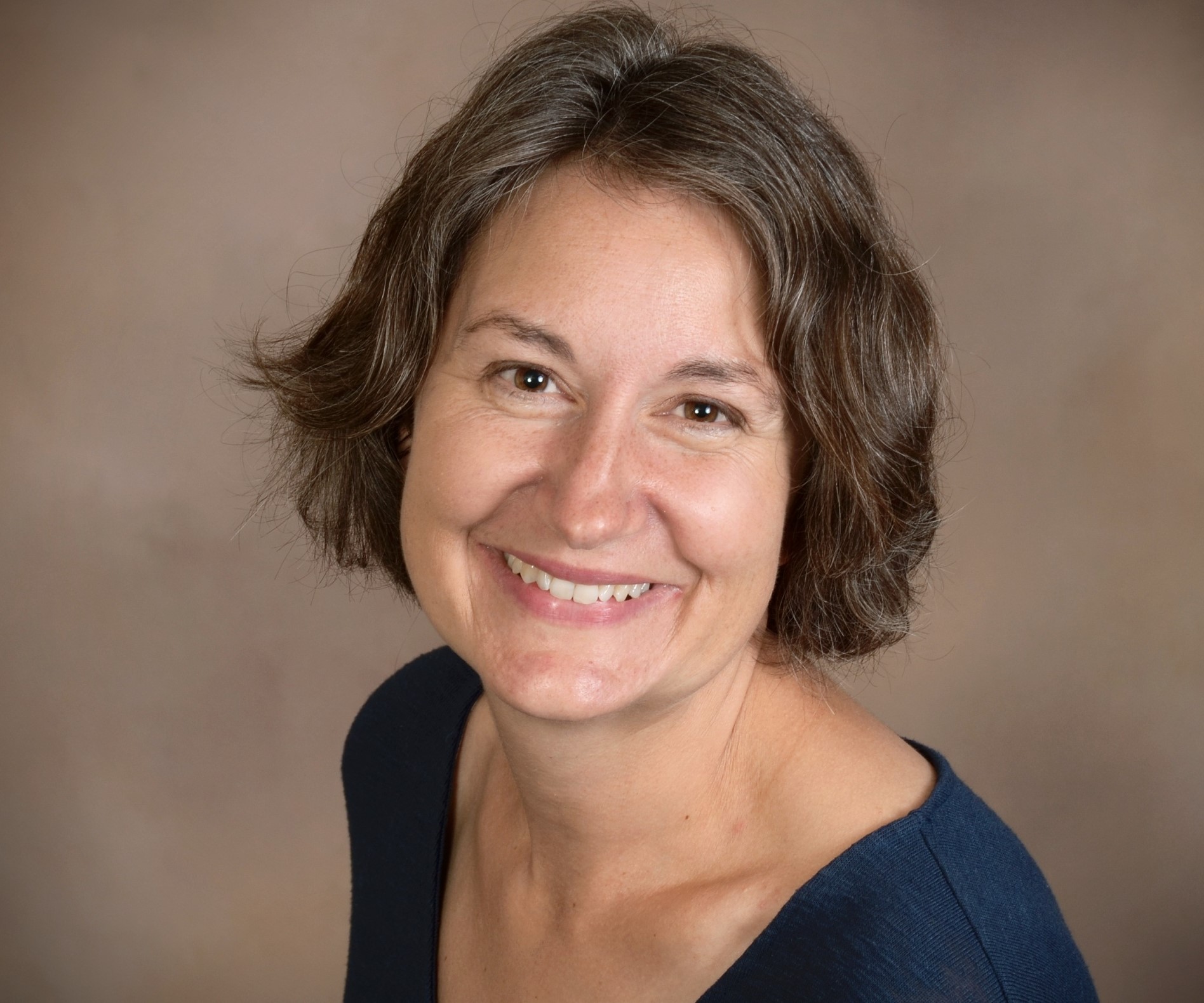
Developed and facilitated by Melissa Heinen and Mallory O'Brien
March 23-24, 2027
9:00 a.m. - 4:30 p.m.
2-Day In-Person Training in St. Paul, MN

OVERVIEW
This two-day training is designed for teams and individuals conducting Overdose Fatality Review (OFR), Suicide Fatality Review (SFR), Violence Reduction Councils (VRCs) or other types of fatality review. Rather than focusing on any single topic focused review type, the training centers on the Collaborative Framework for Prevention (CFP) structure, core components, and action-oriented practices that make any fatality review process effective.
This is not a facilitation skills training. We won't be teaching you how to facilitate a fatality review meeting. Instead, this training focuses on the structure and framework behind your review: how it's designed, how members are engaged, how data drives it, and how it produces action. You will leave with a plan for your process, not a script for a meeting.
Drawing on our combined experience building national guidance documents, training communities across the country, engaging with multisector partners, observing live reviews as outside evaluators, providing technical assistance, and facilitating our own reviews, we'll walk through what works, what commonly gets stuck, and how to design (or refine) a process that leads to real system change and not just data and information on a page.
Participants leave with an individualized action plan tailored to their own review process, informed by the group's members, your community's structure, existing resources, and current stage of development.
WHO SHOULD ATTEND
Fatality review coordinators, facilitators, and directors (OFR, SFR, VRC, or other review types)
Core team members (data managers, epidemiologists)
Agencies planning to launch a new fatality review process
Established reviews looking to streamline and sustain processes, strengthen membership engagement, data use, or system-change outcomes
YOU WILL LEARN HOW TO:
Apply the Collaborative Framework for Prevention. The fatality review framework that has worked in countless communities: building engaged multidisciplinary partnerships, interpreting community and aggregate data, conducting in-depth case reviews, and developing and implementing recommendations.
Select and use aggregate data to inform case selection and guide system-level recommendations.
Recruit, equip, and sustain engagement from core and guest multidisciplinary members.
Navigate confidentiality, data sharing agreements, and what information belongs in a review.
Build and run an effective standing meeting agenda.
Structure review roles (facilitator, coordinator, data manager, loss survivor interviewer, and more) for your team.
Distinguish findings from recommendations and move from one to the other without finger-pointing.
Identify missed opportunities for prevention and intervention using various methodology.
Structure your process to drive system change.
Build accountability throughout the review process, from case review to system-level implementation.
Apply it all in a mock review.
AGENDA SNAPSHOT
Day 1
Welcome, introductions, and group expectations
Fatality review purpose and framework
Aggregate and community data: what it informs, themed reviews, data sources
Membership: core and guest members, recruitment, and engagement strategies
Case review information, data sharing, and confidentiality
Building a standing meeting agenda
Roles within a review and how to structure them
Day 2
Findings: what they are, what they aren't, and examples from aggregate and case data
Tools for identifying missed opportunities and making system changes
Building accountability from case review through implementation
Mock review practice
Individualized action plan development
Group reflection and wrap-up
LOGISTICS
Dates: March 23-24, 2027
Location: St. Paul, Minnesota (venue TBD)
Format: In-person, two full days
Cost: $600 food included (increases to $650 in the final two weeks before the training)
TRAVEL AND LODGING
Please hold off on making your travel arrangements until you receive an invoice and confirmation that the training will happen. Travel and lodging information to assist with budget estimates for internal travel approvals.
U.S. General Services Administration Federal Rates
Daily Lodging (Excluding Taxes) - $153
Daily Meals - $92 (lunch is covered in training registration fee and is $26 per day)
RECCOMENDED HOTEL
Located in the heart of St. Paul, the Drury Plaza Hotel is conveniently located minutes from Grand Casino Arena, CHS Field, the Minnesota State Capitol, Regions Hospital, and Gillette Children’s Hospital. This all-suite hotel offers spacious two-room suites designed for maximum comfort. Hotel guests enjoy free hot breakfast, hot dinnertime snacks and cold drinks at 5:30 Kickback®, and Wi-Fi. Unwind at The Kitchen + Bar, open late every night in the lobby.
TRAINERS

Melissa Heinen is the founder of Salus Consulting LLC and a facilitator who specializes in leading groups through the hardest conversations in the room. Her expertise was forged in fatality review facilitation — training practitioners across the country, to lead high-stakes, emotionally complex meetings with clarity and care. Beyond that specialty, she has facilitated national communities of practice, advisory boards, strategic workgroups, and internal staff meetings — building the same clarity, engagement, and follow-through into rooms of every size and stakes level. This training draws on that full range of experience: practical techniques tested from the boardroom to the case review table, adapted for any facilitator who wants to lead with more confidence and skill. Learn more about Melissa here.

Mallory O'Brien, PhD, MS, has spent more than 30 years bringing together people who see problems differently and helping them find common ground. As an Associate Scientist in the Department of Health Policy and Management at the Johns Hopkins Bloomberg School of Public Health, she works at the intersection of public health, public safety, and community where progress depends on getting law enforcement, medical examiners, clinicians, treatment providers, community organizations, and families to talk openly, trust one another, and act together.
Much of that work happens in the room. Dr. O'Brien has facilitated fatality reviews where participants examine deeply painful cases, share sensitive information across agency lines, and work through disagreement to reach concrete recommendations.
Trained as an epidemiologist, she brings a data-informed perspective to facilitation, helping groups move from individual stories to patterns and from patterns to system change. Her work has been recognized with the FBI Director's Community Leadership Award, the U.S. Department of Justice Project Safe Neighborhoods Outstanding Contribution by a Researcher award, and the Johns Hopkins Excellence in National Public Health Practice award. Learn more about Mallory here.
QUESTIONS
Contact: Melissa Heinen, melissa@salusconsultingllc.com or 612-801-1206


Comments