Question From the Field: Why do some fatality reviews have a hard time getting things done?
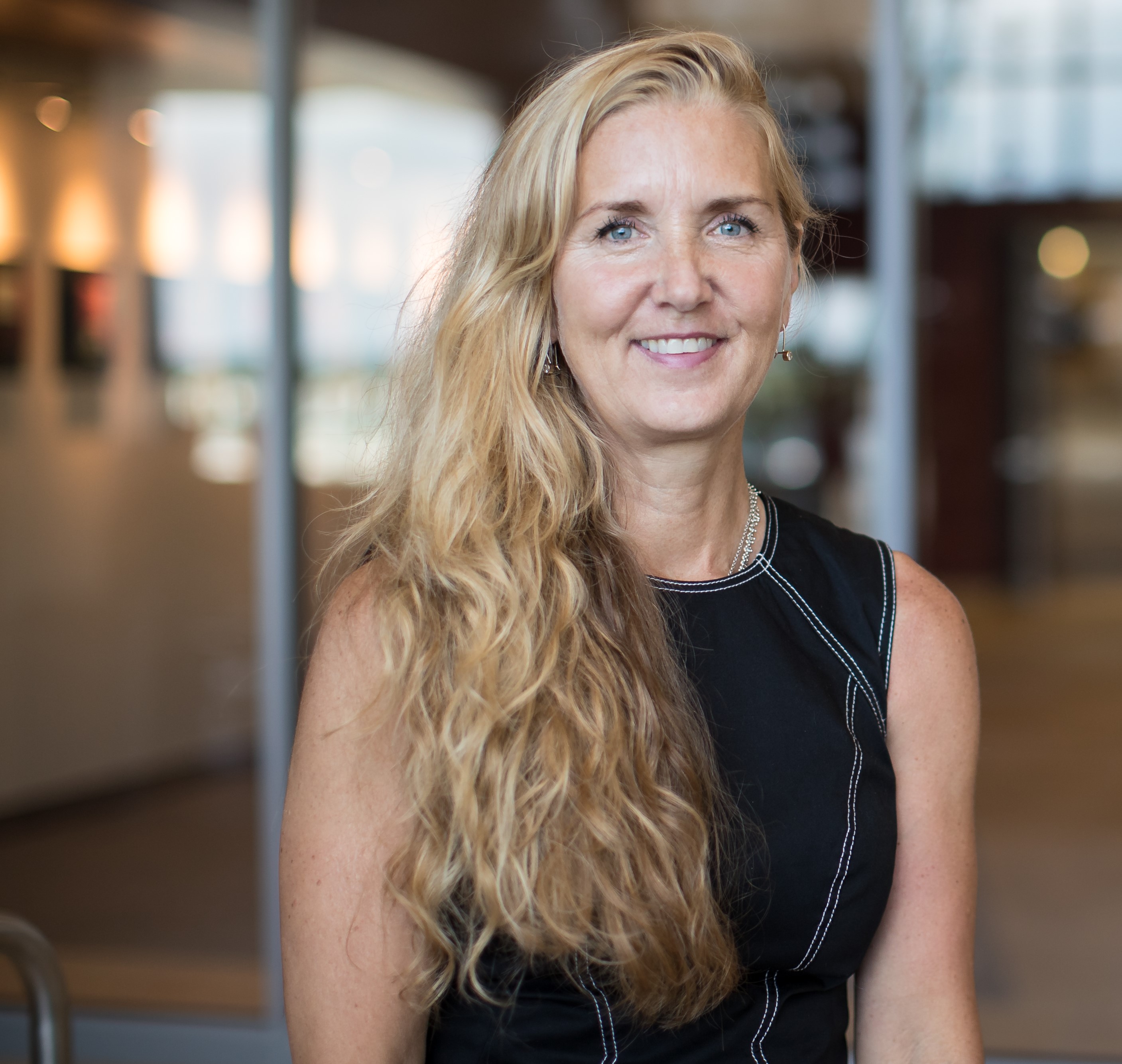
For this question, we turned to Dr. Mallory O'Brien for her thoughts.
Many fatality review teams meet regularly, conduct thorough case reviews, and identify meaningful opportunities for prevention and intervention. Yet despite their efforts, progress can stall when it comes to implementing the recommendations that emerge from those reviews.
When we look closer at fatality reviews that struggle to move from discussion to action, we often find that a few key structural and process elements are either weak or missing entirely. On the other hand, fatality review teams that consistently achieve results share several characteristics that foster accountability and drive implementation.
Four Characteristics that Foster Accountability and Drive Implementation
Leadership rooted in humble authority. Successful fatality review teams are led by individuals who balance authority with humility. These leaders don’t simply direct — they engage, empower, and support team members to take ownership of their roles in the process. They understand that influence comes not from command, but from collaboration and trust.
A Strong governance structure
Teams that move recommendations into action have clear governance structures. Executive leadership meets regularly — not just to review data or offer feedback, but to provide ongoing guidance and direction. They hold themselves, their peers, and their staff accountable for progress. This consistent executive involvement transforms insights from case reviews into real organizational priorities.
Built-in accountability at every level
Accountability isn’t an afterthought; it’s built into every meeting and process. Effective fatality review teams begin each case review by revisiting progress on prior recommendations and end by assigning clear next steps for new ideas. This creates a continuous improvement cycle where every meeting serves as both a checkpoint and a launchpad for action. The same structure applies to subcommittee and executive leadership meetings, ensuring that momentum is never lost between sessions.
Shared ownership across the team
Finally, implementation isn’t the responsibility of a single coordinator or a small subset of the team — it’s everyone’s job. In successful fatality reviews, every member of the coordinating team and the broader group understands that their role extends beyond the meeting room. They are expected to work toward advancing recommendations between case reviews, keeping the cycle of learning and improvement alive.
Final Thoughts
When accountability is built into leadership, structure, and process, teams don’t just analyze what happened — they act to prevent it from happening again. The difference between insight and impact often comes down to one question: Who is responsible for moving the work forward — and how are they supported to do it?
Comments